"Building from Shattered Pieces"
Saving Lerato (Love) is an every day project
About Us
Building from Shattered Pieces
Our OBJECTIVES are to eradicate:
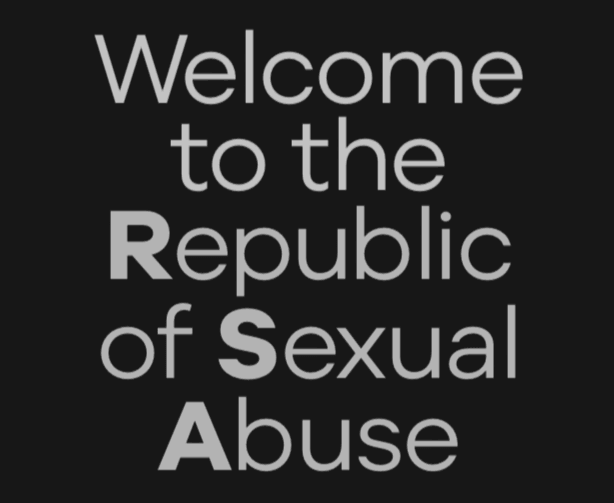
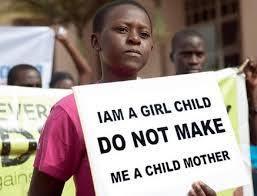
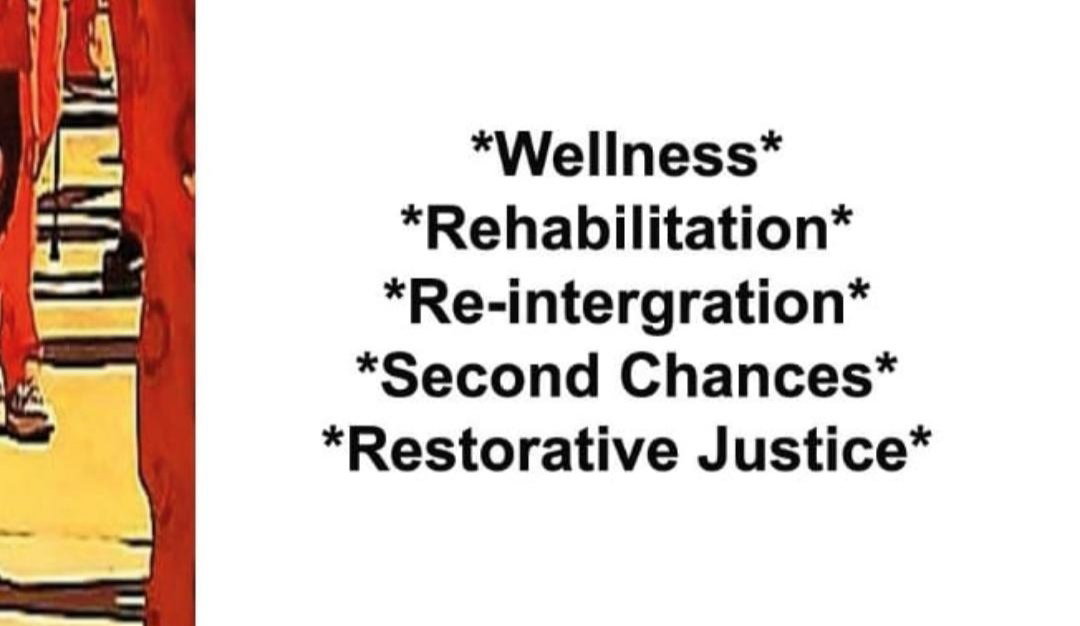
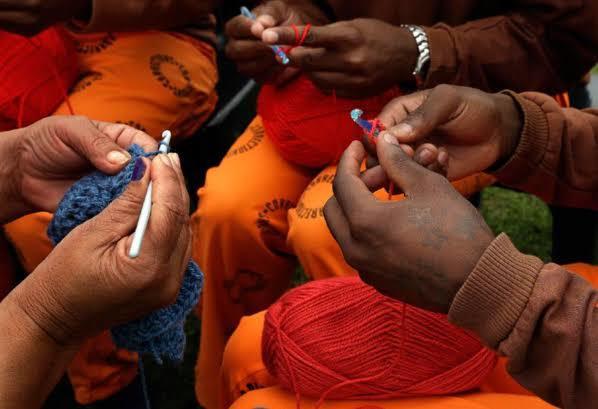
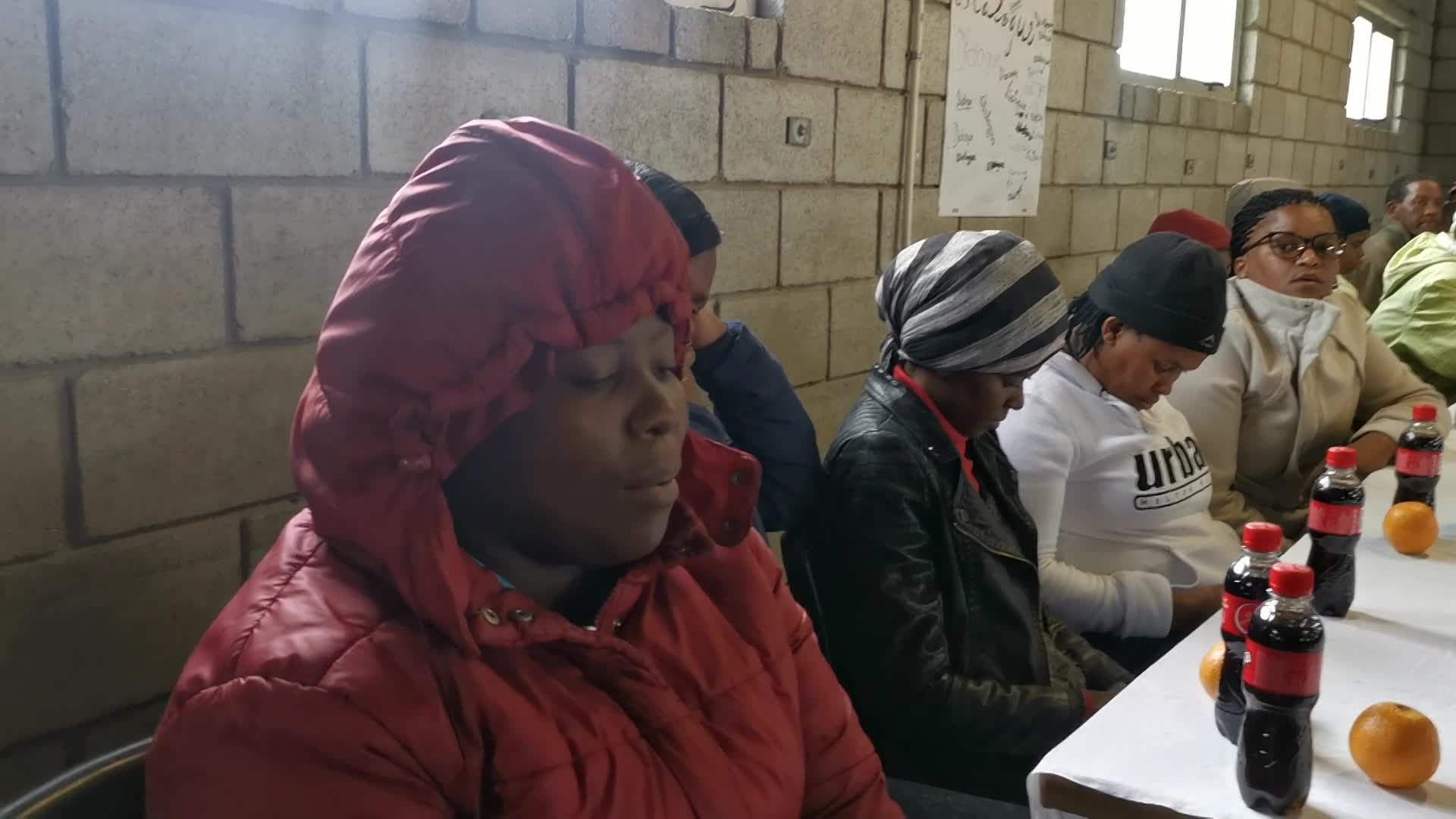
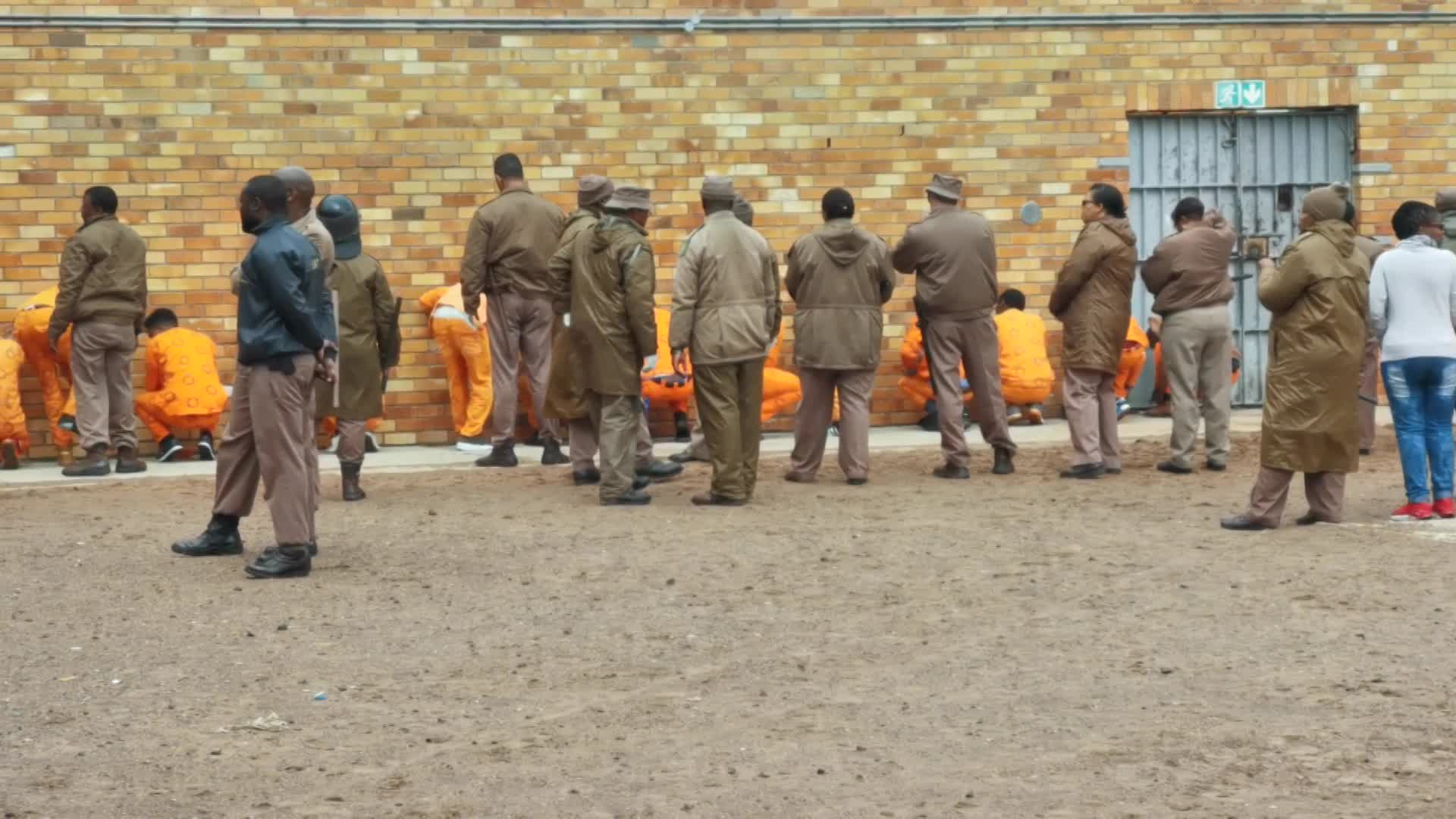
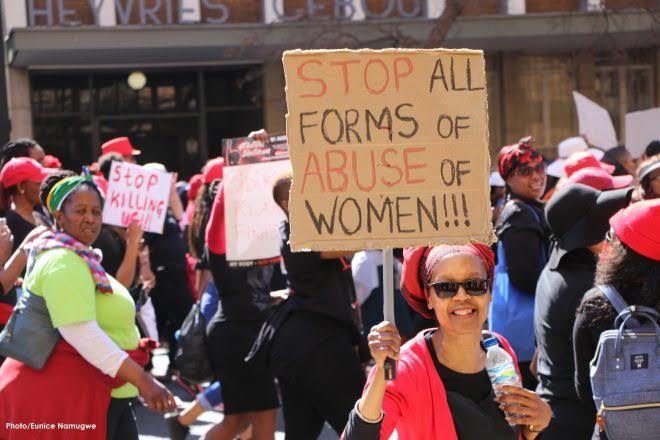
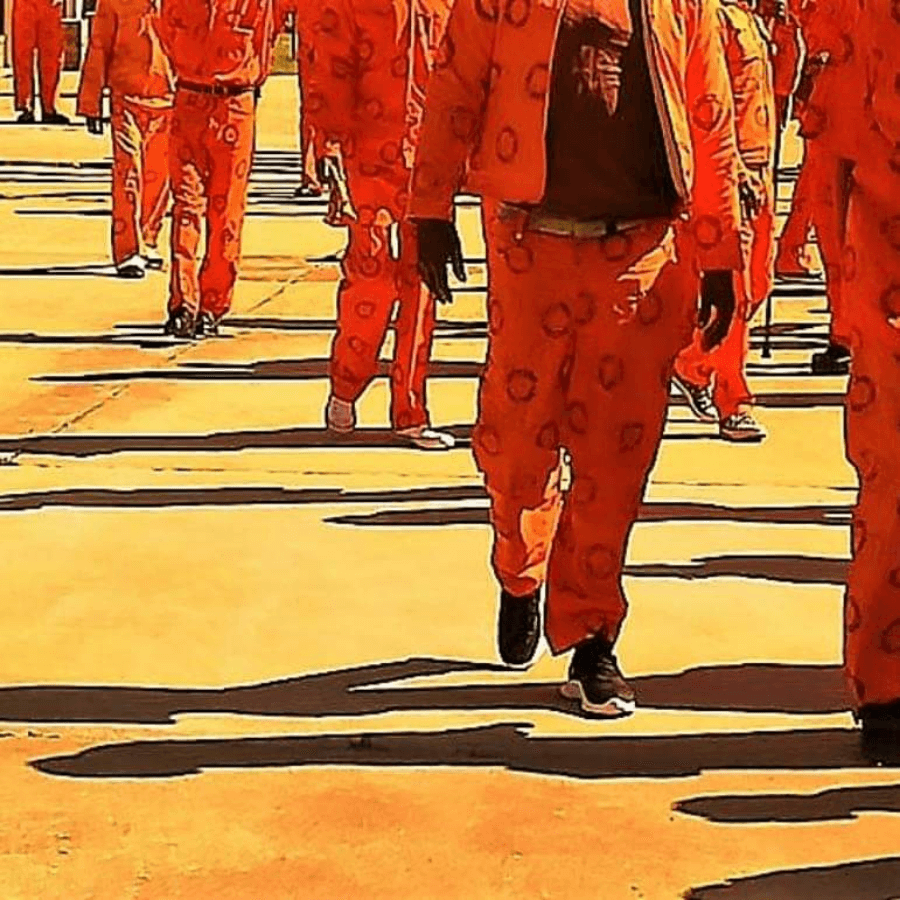
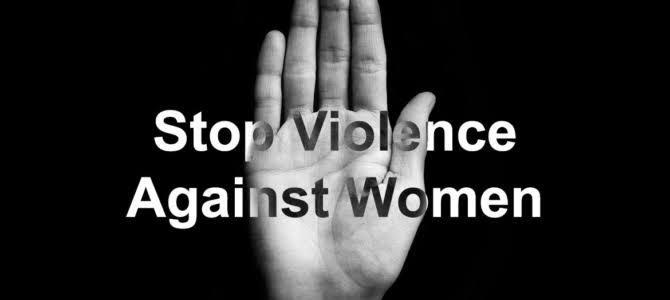
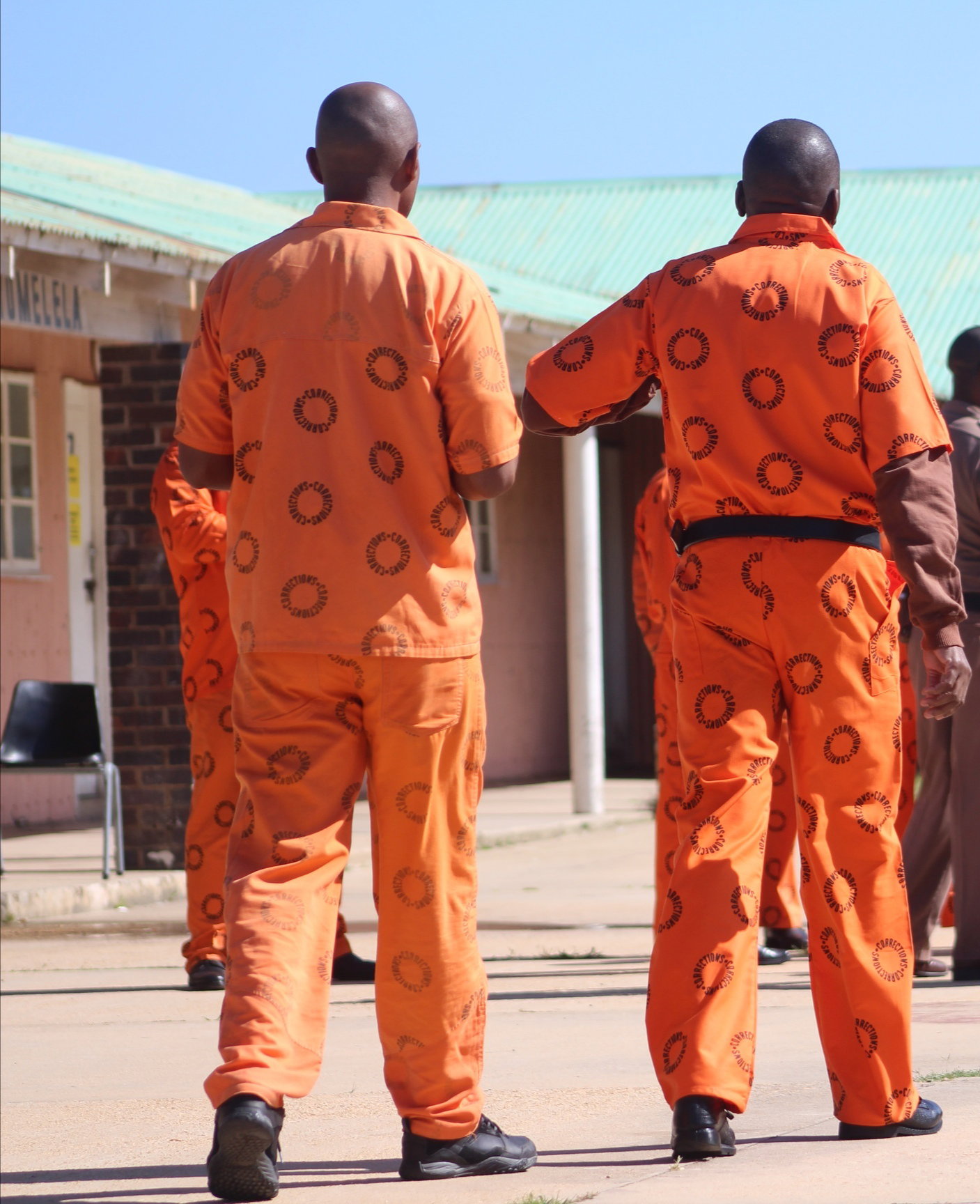
Gender Based Violence through rehabilitation, reintegration, restorative justice, second chances and wellness of inmates - with the mindset that inmates are not only the men and women behind bars - but those who live in entrapment of various kinds.
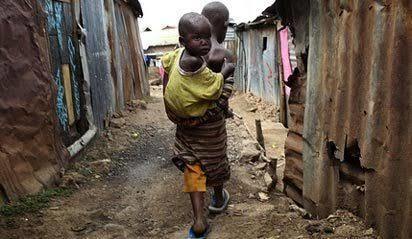
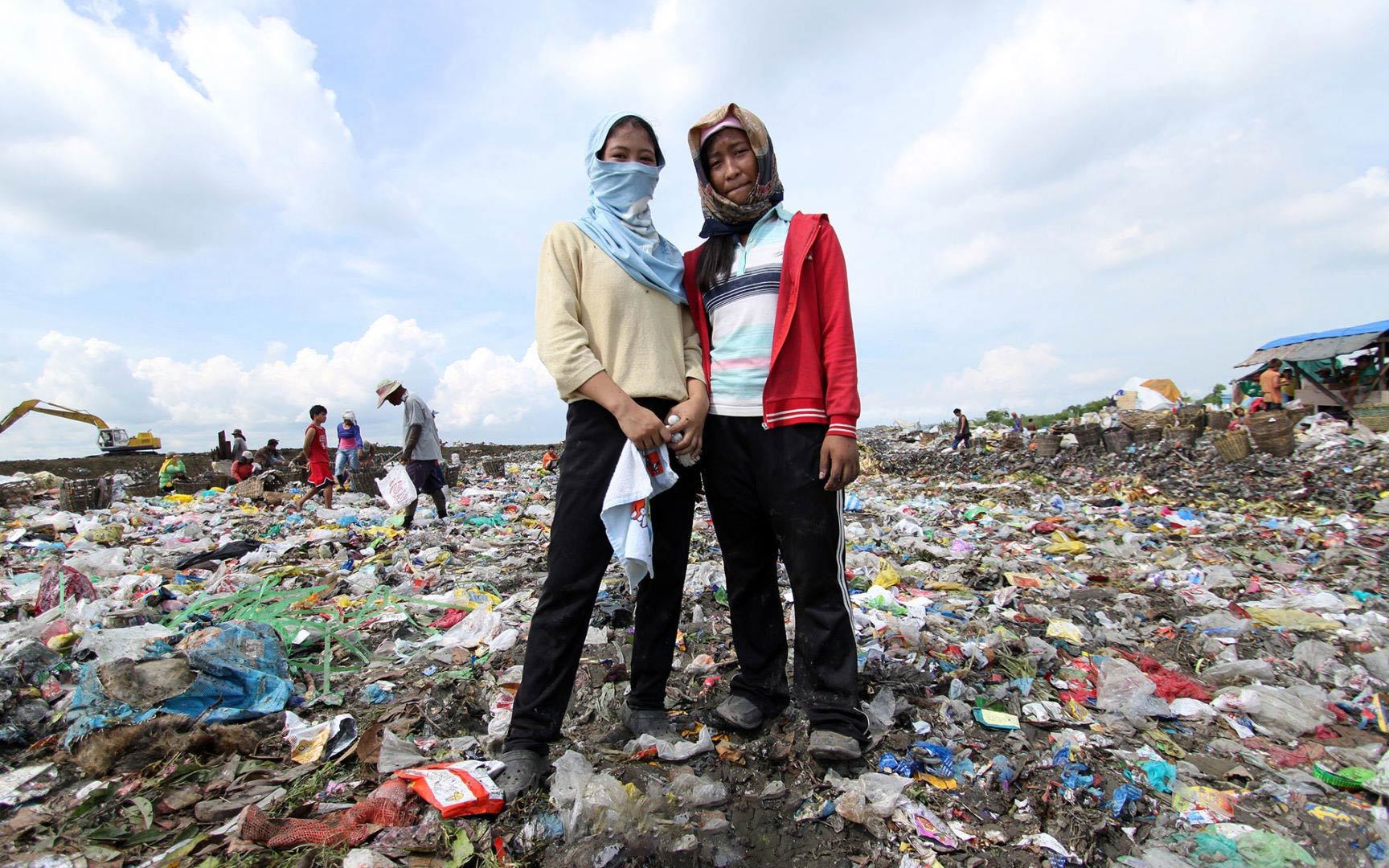
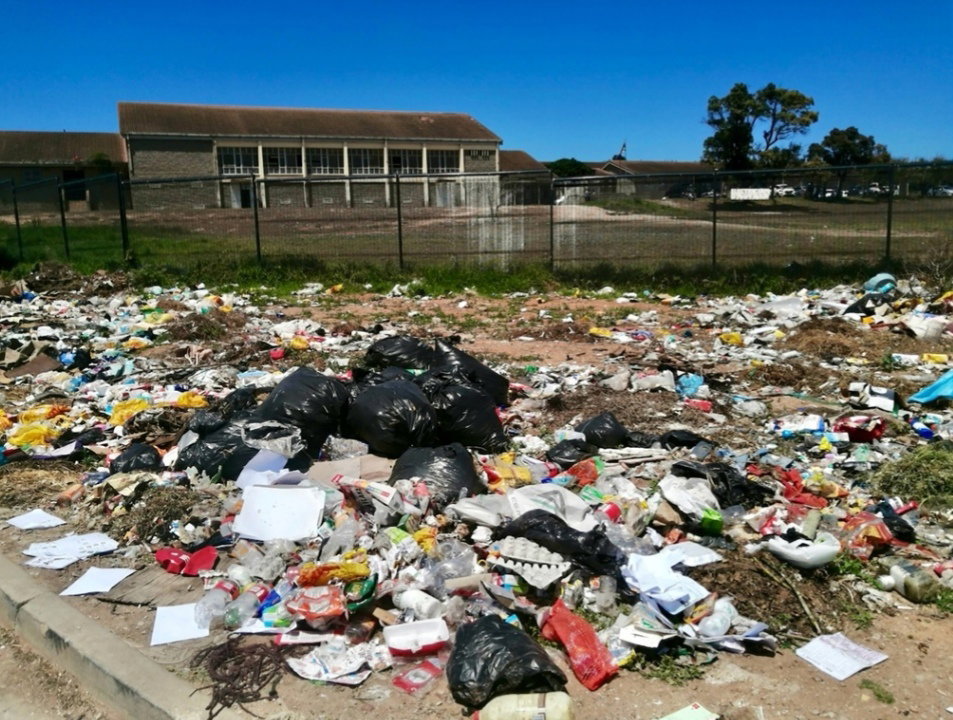
Poverty through the changing of the life status of all who are adversely affected by poverty and who live below the bread line. Poverty and its effective addressing is one of our primary focus points, as we have identified it as a key contributory factor to the dehumanization of those who live in the underprivileged spaces of life.
In line with the United Nations 2030 AGENDA on Sustainable Development Goals - we prioritize on Women, Peace & Security driven (inclusive of children) Goals:
1. NO POVERTY
2. ZERO HUNGER
3. GOOD HEALTH & WELL-BEING
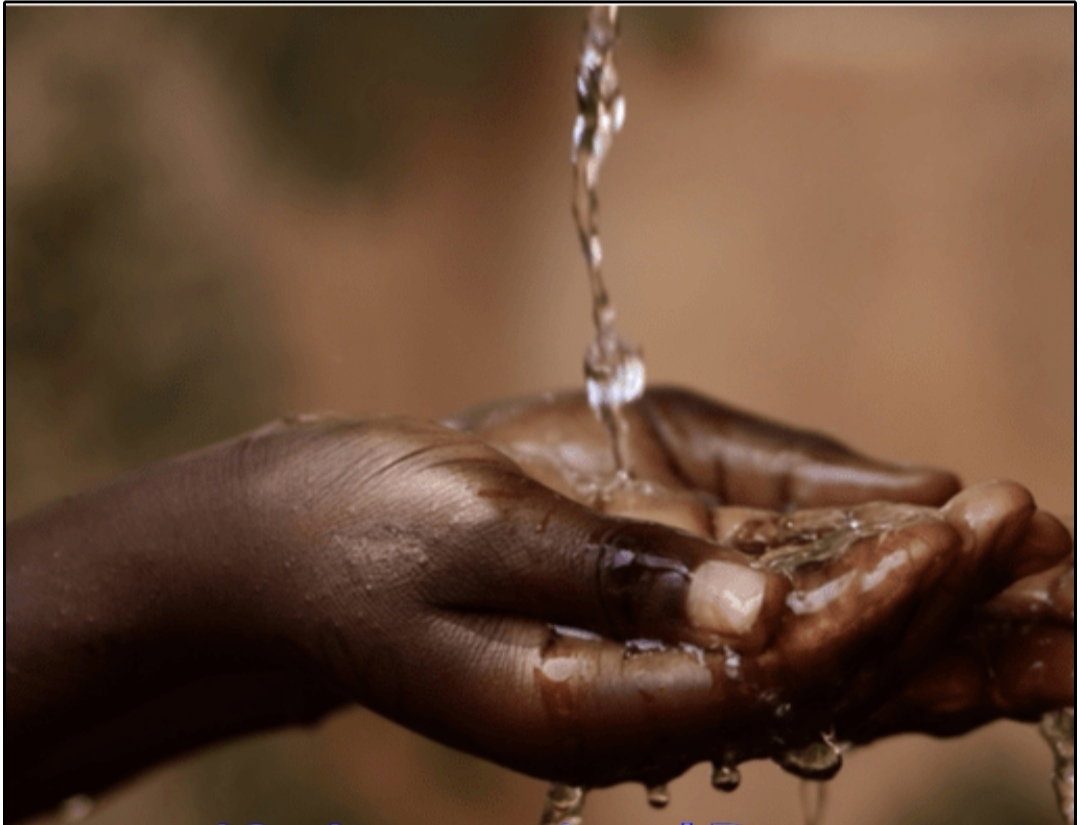
6. CLEAN WATER & SANITATION
8. DECENT WORK & ECONOMIC GROWTH
11. SUSTAINABLE CITIES & COMMUNITIES
16. PEACE, JUSTICE & STRONG INSTITUTIONS
AN INMATE to us is not limited to men and women in incarceration. It defines any individual who lives in entrapment, where they are overcome by vicious cycles that withhold them from breaking the barriers that rob them of better opportunities that can change the path of decay which defines their lives.
https://www.facebook.com/projectinmate/
CLICK ON THE LINK BELOW to view the number of infections in different countries:
https://www.covidvisualizer.com/
Services
Areas of Intervention
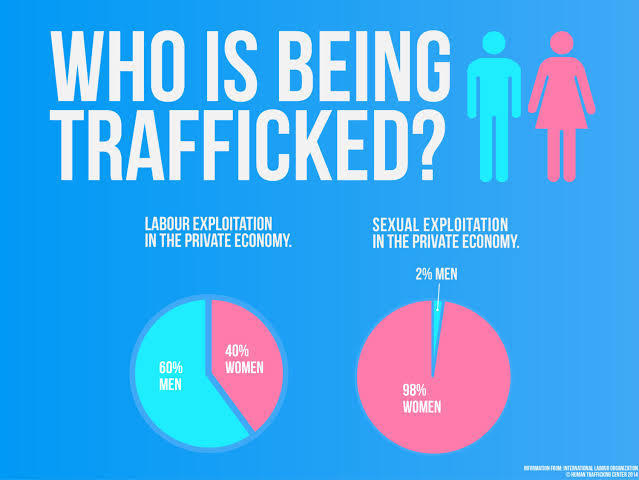
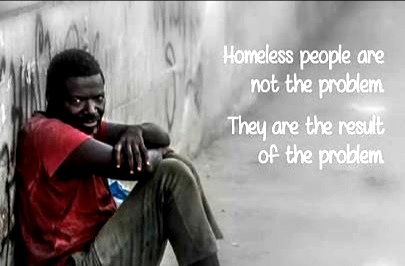
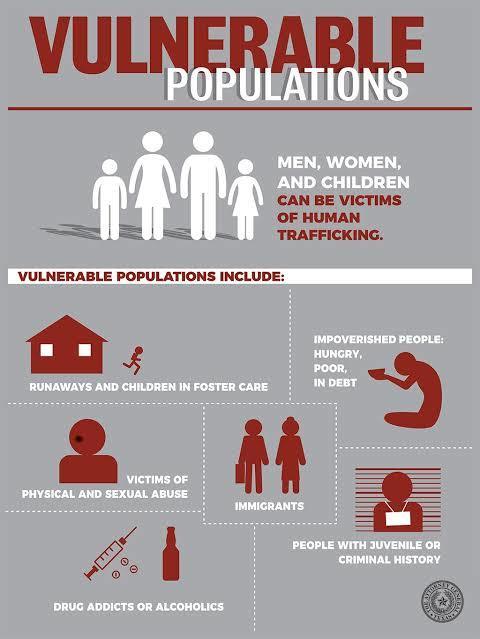
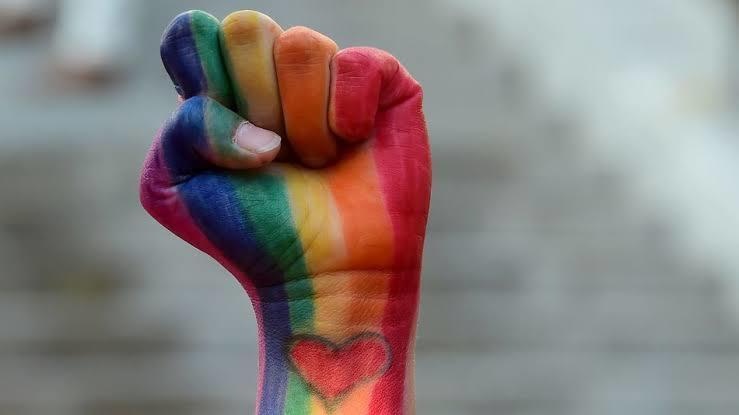
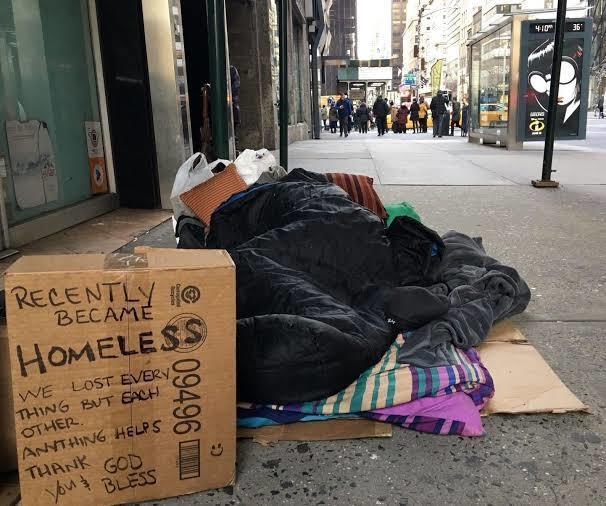
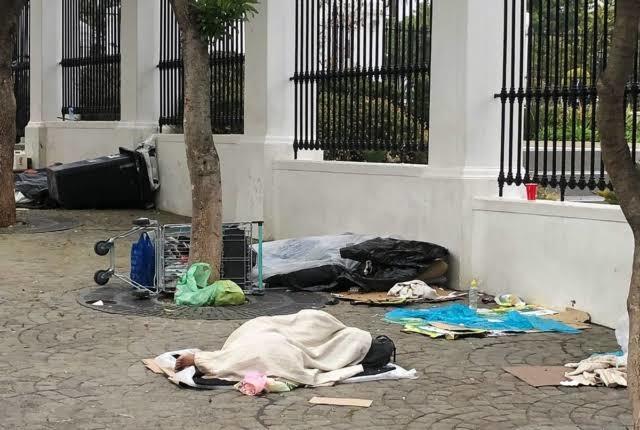
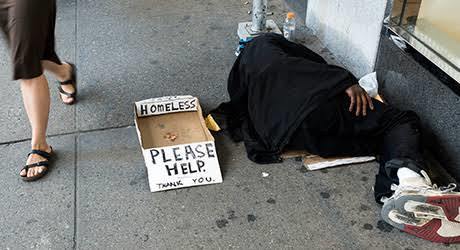
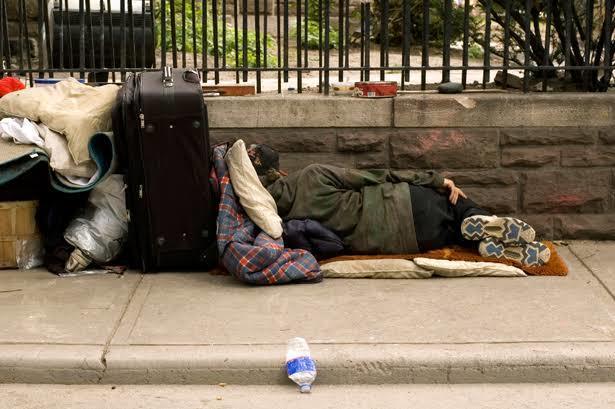
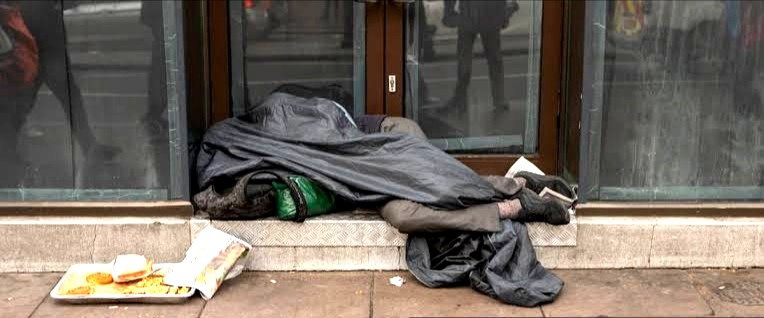
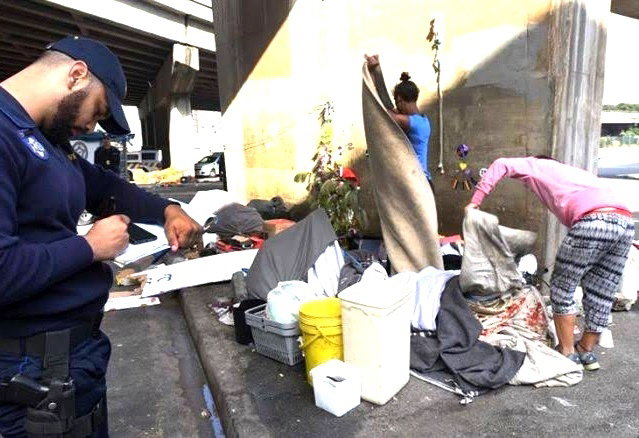
Our target population(s) includes the following vulnerable groups: 1. Potential, Current and Former Inmates – Thousands of offenders who have no homes and nowhere to go to, upon release are less likely to be able to get a job or have access to education or healthcare. On the streets, without a job, without mental health support, or a bed for the night – they are sucked back into a criminal life, reoffend, and soon end up back in prison. We must do much more to help rough ‘sleepers’, and ex-prisoners in particular, to find a house and re-establish a more stable life. For children born in prison, a home doesn’t represent freedom – it becomes imprisonment, because they are forced to spend their infant years living in prison, by virtue of being children of inmates. This means the first home they identify with is prison, which may later instil in them a mindset that it is normal to live in prison, therefore likely to create a trend of remaining or returning in prison in their adult years. This makes them innocent inmates and also sets the possibility for becoming potential inmates. 2. LGBTQIAs - Youth are quickly becoming one of the most complicated challenges in fighting homelessness. In particular, are those coming from rural areas to the cities and have been ostracized by their communities and families, for their ‘unwelcome’ sexuality preference. 3. Sex Workers - Sex work, and therefore sex workers, are often victimized and marginalized.... Some people experiencing homelessness turn to sex work as means of staying alive or obtaining the necessities of life. Known as “survival sex” this includes the exchange of sex for money, as well as food, clothing, shelter or a place to stay. 4. Rape Survivors - More homeless women than housed women report childhood physical abuse, childhood sexual abuse, adult physical assault, previous sexual assault in adulthood, and a history of mental health problems. Sexual assaults which are more violent are those against the homeless women and are more often perpetrated outdoors, by a stranger. 5. Indigents - The lack of affordable housing has lead to high rent burdens (rents which absorb a high proportion of income), overcrowding, and substandard housing. These phenomena, in turn, have not only forced many people to become homeless; they have put a large and growing number of people at risk of becoming homeless. They have also exposed indigent communities to horrible environmental hazards that are demeaning to their human dignity and infringing on their human rights. 6. Troubled Teenagers - Runaway and homeless youth are vulnerable to multiple threats, including not having their basic food and shelter needs met, untreated mental health disorders, substance use, sexually transmitted diseases and HIV infection, sexual exploitation (including survival sex to meet basic needs) and physical victimization. 7. Teenage Mothers - Homeless youth are at particularly high risk for teen pregnancy; research indicates as many as 20% of homeless young women become pregnant. These pregnant and homeless teens lack financial resources and adequate health care, resulting in increased risk for low– birth-weight babies and high infant mortality. 8. Human Trafficking Victims - Trafficking in persons is still one of South Africa’s most atrocious realities that, unfortunately, still looms and compromises the safety of women and children. Human trafficking is expanding at an alarming rate. Millions of women, men and children end up in the hands of traffickers worldwide, and exploited in prostitution and other forms of sexual exploitation, slavery, bondage, labour, or their organs removed and sold. 9. Child and Granny headed home inhabitants - The challenges experienced by children in CHH clearly reflect their social disempowerment and devastating experiences of poverty, which are further exacerbated by the lack of adequate social support from their families and communities exacerbated by the lack of adequate social support from their families and communities. 10. Stranded Foreign Nationals – South Africa's asylum and refugee system is under pressure: in recent years, South Africa has become one of the top ten refugee-receiving countries, mostly from elsewhere in Africa. Quite unusually in the global south, it conducts individual refugee status determination, resulting in more than 90% refusals. The system itself is slow, and inefficient. Levels of xenophobic violence in some parts of the country and other forms of intolerance towards foreign nationals have further aggravated their already desperate plight. 11. Domestic Violence Victims - The homeless sector certainly has an important role to play in relation to women fleeing domestic violence, as part of an overall strategy. While structures and approaches to meeting the needs of women fleeing domestic violence differ across Europe, it is clear that such services must be carefully tailored in order to be supportive and effective. 12. Violence affected schools – Schools in the Nelson Mandela Bay have been into war zones by violence, bullyism and drug activity. For quite some time, teachers and learners have been going to school without a guarantee of being alive at the end of the day. Thugs have turned schools into gang war areas, bullyism has forced learners to live in fear due to drug turf based shootings and violence outbreaks. Some of the affected learners have been forced into homelessness, in efforts to save their lives and their families. Police Anti - Gang Units have been deployed in the troubled areas, but this hasn’t brought the crisis to an end.
Team
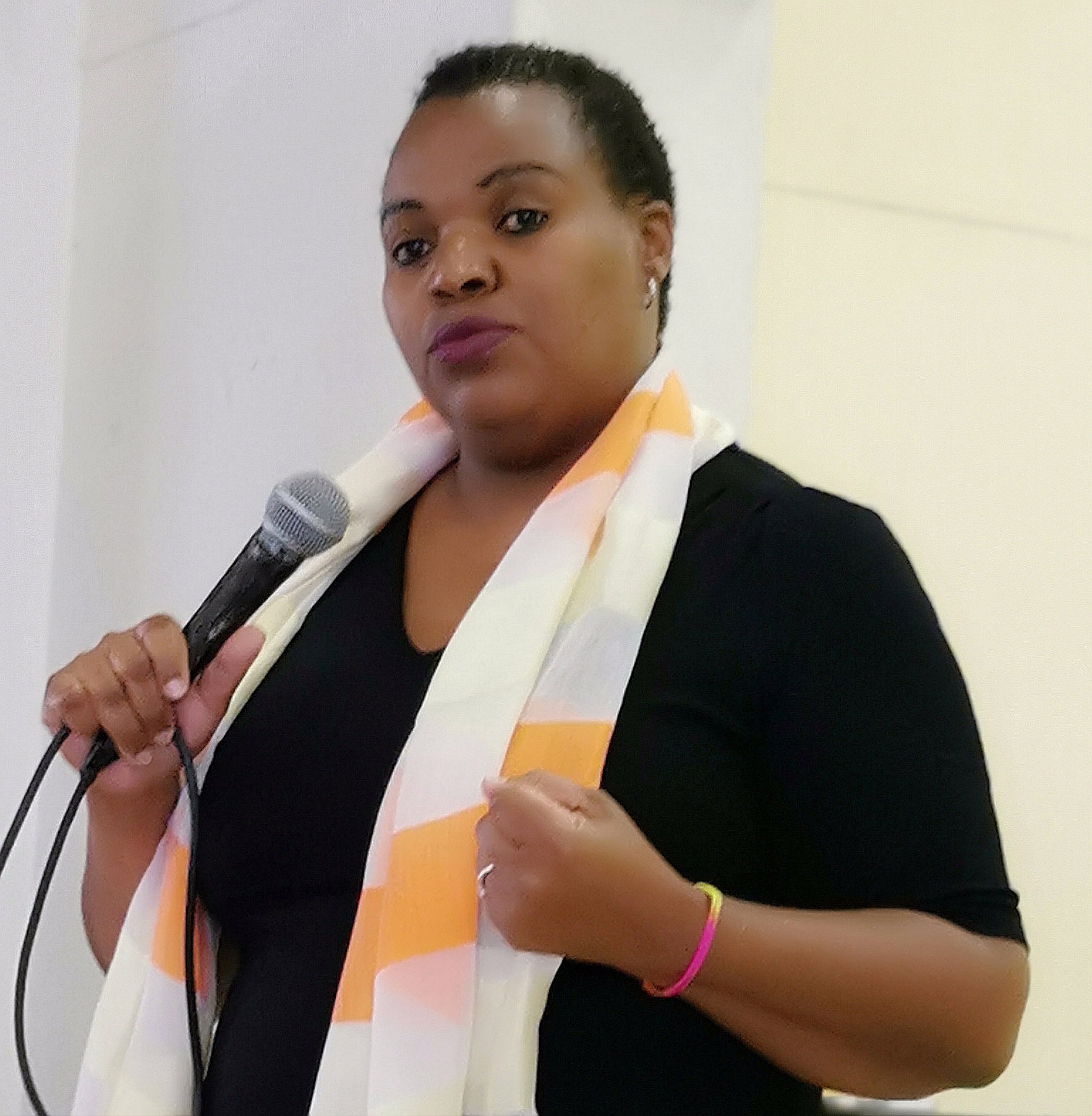
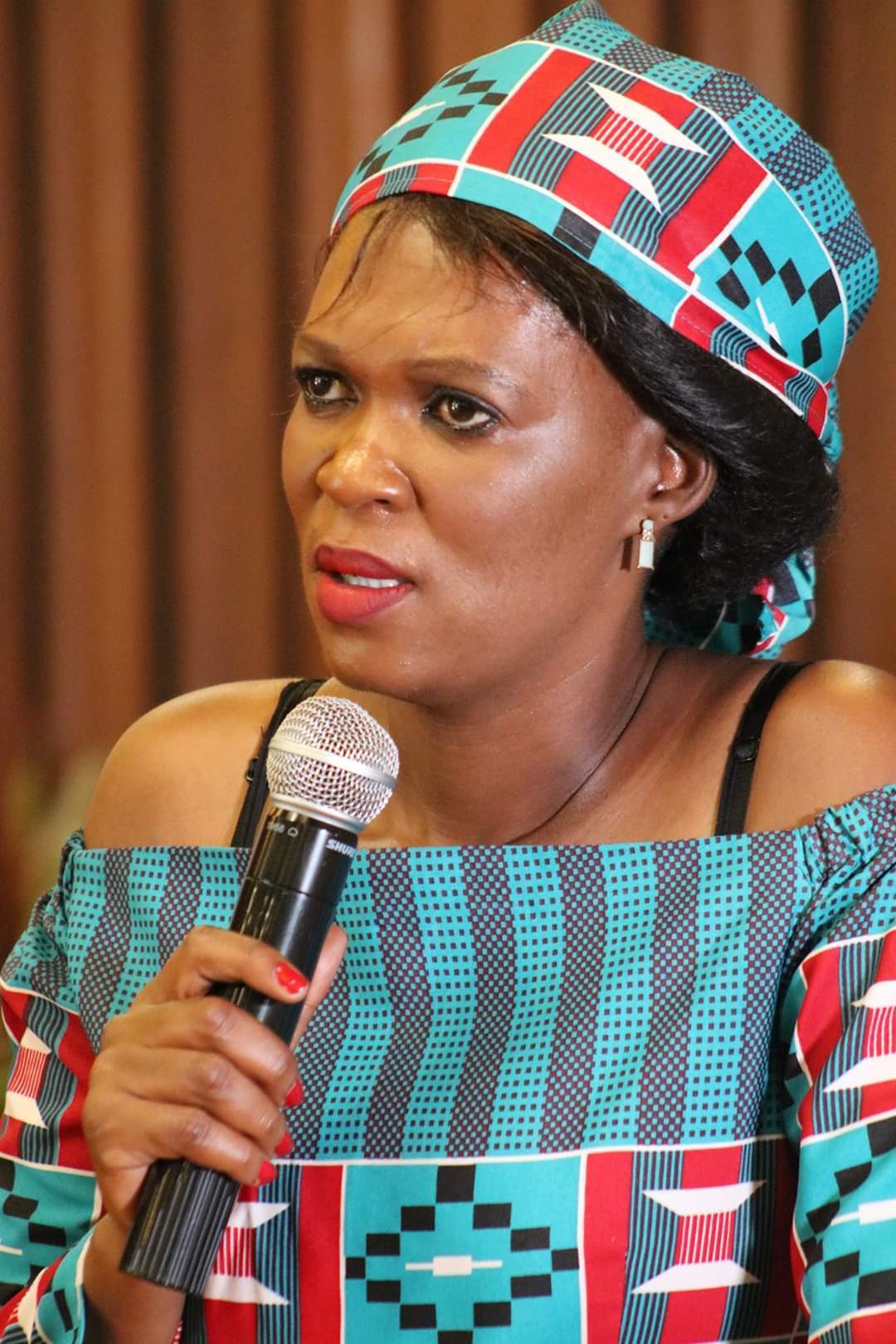
Nosipiwo Manona
Chief Executive Officer & Founder
Investigative Journalist, Indigenous Knowledge Systems (IKS) Researcher, Business Concepts Developer, Community Builder. “Hand in hand, communities can be turned from poverty pools into pockets of wealth; with dedicated efforts, we can still change the face of poverty,” – N. Manona.
Mbuso Ndlovu
Executive Director & Co-Founder
A specialist in inmate rehabilitation programmes. A firm believer in changing mindsets and turning the corner. “Rebuilding broken societies through restoration of the morals rebuilds a nation,” – M. Ndlovu.
Noloyiso Mampana
Executive Director
Resourceful, results driven health manager with an outstanding managerial expertise in various components in the health sector. Possesses an adaptable, detailed, flexible approach to work. “The difference betwen the impossible and possible lies in a person’s determination,” – N. Mampana
Johnnie Isaac
Executive Director
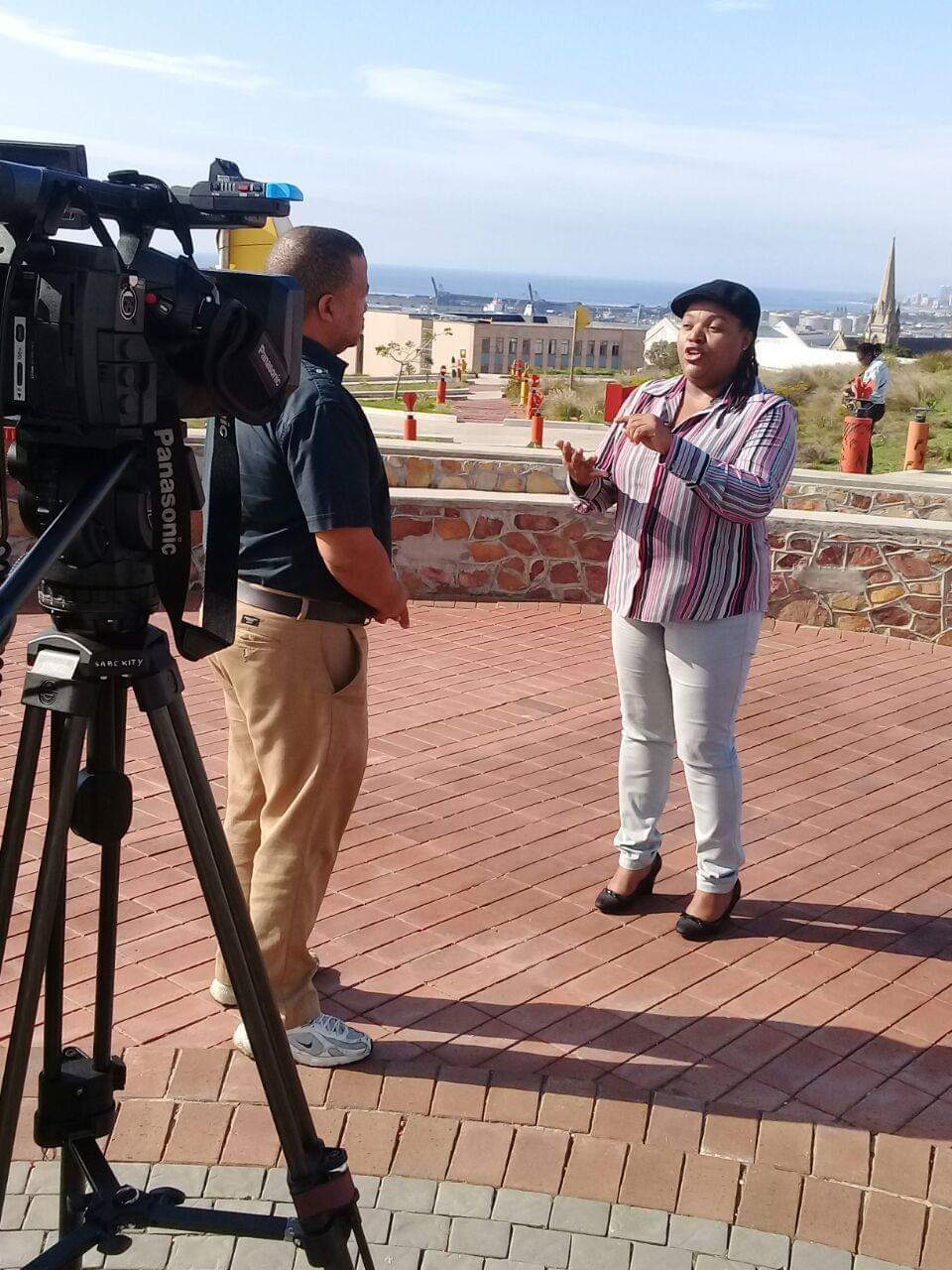
Investigative journalist, senior political reporter and researcher, with experience in television post-production compilation for current affairs. “Not only is it crucial to identify, process and analyze; but also mandatory for validity of any information” – JJ Isaac
Ntombi Saleni
Executive Director
Tasked with brand and crucial relations management. Ability to foster long-term relationships with key professionals, Persuasive, Creative and possesses a problem solving aptitude. “A brand is like a baby, look after it well and it grows into many possibilities in the future, Project Inmate to me, is THE FUTURE” – N. Saleni.
Afikile Lugunya
Executive Director
Investigative Journalist and broad-based News Reporter in politics, crime, community and development news, sports, lifestyle and entertainment. Creative Developer of Website and Social Media Manager. “Media should be central in highlighting the injustices posed on the impoverished citizens living in absolute squalor – it should be used as a justice tool for the voiceless," - A. Lugunya
Litha Manona
Executive Director
Voluntary IT(Basic Computer Skills) Tutor in rural schools, enabling indigent learners in using computers to manage, process, and communicate information for various purposes. Organized and driven with an innate ability to stay on tasks. “Computing is a critically imperative component of modern industrial technology,” – L. Manona.
Andiswa Makinana
Director: Social Services
Responsible for the Social Services cluster, Andiswa plays a pivotal role in pro-active engagements with victims of social ills at Project Inmate. This cluster is the front line response which attends to all beneficiaries caught up in the social ills like GBV, Homelessness, Child and Granny Headed Homes, Substance Abuse, Bullying and all other related areas needing crucial interventions. An Auxiliary Social Worker by training, Andiswa's character and heart are best placed in tackling this very sensitive responsibility.
Join us
- 151 Dyke Road, Algoa Park, Port Elizabeth, Eastern Cape, South Africa
Make A Donation
Acc Number: 30001104211
Bank: SASFIN BANK
Account Type: Cheque Acc
Branch Code: 683000